
Height is highly heritable, and a large genetic study found that a full standard deviation higher IGF-1 was linked to only 0.09 standard deviations taller adult height. Extreme excess growth hormone before the growth plates close can cause gigantism, but that is a rare disorder. We found no study that measured adult HGH in tall versus shorter people.
What Determines Adult Height
A study of extremely tall people notes that adult height is highly heritable, with estimates of about 0.80 to 0.90, and reflects many genes interacting with factors such as nutrition. The same study found that variants in the growth hormone, IGF-1, and IGFBP-3 genes were associated with extremely tall stature.
What Normal IGF-1 Differences Do
A study using genetic methods in over a million people found that a 1 standard deviation increase in IGF-1 conferred only 0.09 standard deviations taller adult height, and concluded that normal variation in IGF-1 has small effects on height in childhood and adulthood. Another study of 6,075 people found no consistent association between adult height and common variants in eight genes of the growth hormone and IGF-1 axis.
When Excess HGH Does Cause Tallness
The NIDDK explains that too much growth hormone before the growth plates close causes children to grow very tall, a condition called gigantism. If excess begins in adulthood, it causes acromegaly instead, which enlarges the hands, feet, and face but does not add height. Both are rare and usually caused by a pituitary tumor.
Height and the Growth Hormone Axis in Adults
We found no study that measured HGH in adult men by height. Adult HGH is released in pulses that vary through the day, so a single reading would say little. Whatever role the growth hormone axis played, most of it occurred in childhood and adolescence.
A Note on Height and Health
A Nature Reviews Endocrinology article reports that breast cancer, and less consistently colorectal and prostate cancer, have been associated with tall stature, perhaps reflecting the growth hormone axis in childhood. Such associations describe populations, not any individual tall person.
What This Means for You
Adults with closed growth plates do not gain height from more growth hormone, as acromegaly shows, so height is not a reason to look to HGH.
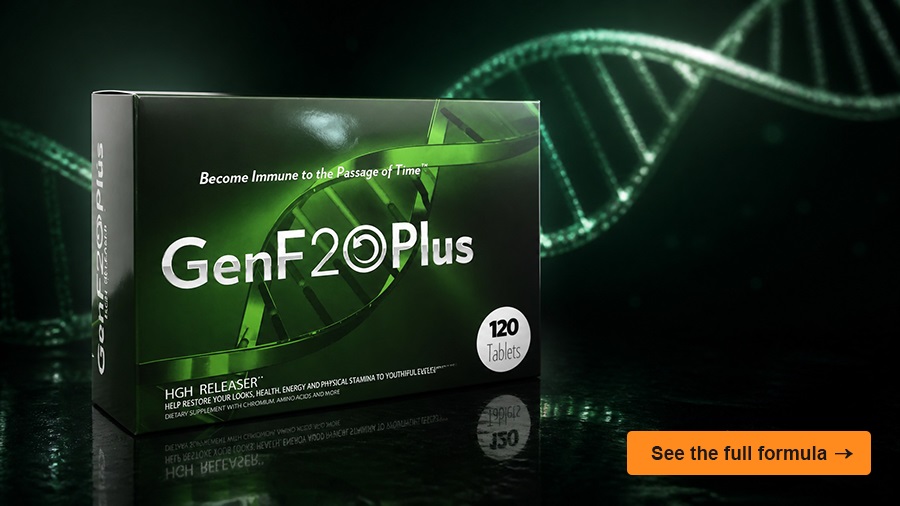
How HGH Releasers Differ From Prescription HGH
The findings described here concern height and the growth hormone axis. Prescription HGH is an injectable medicine that doctors prescribe for specific medical conditions. HGH releasers are a separate category: over-the-counter dietary supplements formulated with ingredients, such as amino acids and other nutrients, intended to support your pituitary gland’s own release of HGH. The two are different products and are studied separately. Like other dietary supplements, HGH releasers are not intended to diagnose, treat, cure, or prevent any medical condition.
Where HGH Releasers Fit Into a Healthy Routine
Men who take a releaser typically do so as one part of a routine that includes training, nutrition, and rest. If you are curious about trying one, it is sensible to check with your doctor first, particularly if you take medication or have an existing health condition.
Frequently Asked Questions About Height and HGH
Are HGH Releasers the Same as Prescription HGH?
No. Prescription HGH is an injectable medicine used for specific medical conditions. HGH releasers are over-the-counter dietary supplements formulated to support the body’s own natural growth hormone release.
Can Adults Grow Taller With HGH?
No. After the growth plates close, more growth hormone does not add height. In adults, excess growth hormone causes acromegaly, which enlarges the hands, feet, and face without increasing height.
Should I Talk to My Doctor Before Trying an HGH Releaser?
Checking with your doctor is a smart step, especially if you take medication or have a health condition. Your doctor can help you decide whether a supplement fits your situation.