Research has not shown that HGH improves sleep in healthy men. In adults with a diagnosed deficiency who receive medically supervised replacement, studies have found modest and mixed changes in sleep alongside improved well-being. The stronger, better-documented connection runs the other way: sleep, especially deep sleep, is one of the strongest natural triggers for HGH release.
The Two-Way Relationship Between Sleep and HGH
A review on PubMed explains that in adults the most reproducible HGH pulse occurs shortly after sleep onset, in association with the first phase of deep sleep. The same review notes that injections of growth hormone-releasing hormone, the brain signal that prompts HGH release, decrease wakefulness and increase deep sleep in rodent and human studies. In other words, the systems that control HGH and the systems that control sleep are closely intertwined.
What Studies of Adults With Deficiency Found
The research on HGH and sleep comes mostly from adults with diagnosed deficiency. In a study of eight young adults with isolated growth hormone deficiency, six months of pharmaceutical HGH decreased total sleep time and significantly increased REM sleep, while deep sleep did not change significantly. All of the patients reported improved well-being. A later study of adults with deficiency found no significant changes in total sleep time or in the proportions of deep and REM sleep after six months of replacement, although several quality-of-life measures, including vitality, improved.
What This Means for Healthy Men
Those studies took place in a medical setting with people who had a diagnosed condition, so they answer a different question from whether HGH would improve sleep in a healthy man. Trials testing pharmaceutical HGH as a sleep aid in healthy men are lacking. The honest summary is that the evidence points to modest, mixed effects in deficiency and offers no established sleep benefit for healthy adults.
How Sleep Supports HGH
The natural link is on much firmer ground. Cleveland Clinic notes that sleep is one of the stimuli for HGH release in healthy people, and a JAMA study of 149 men found that HGH secretion was significantly associated with deep sleep independent of age. Restful nights and healthy HGH release appear to travel together.
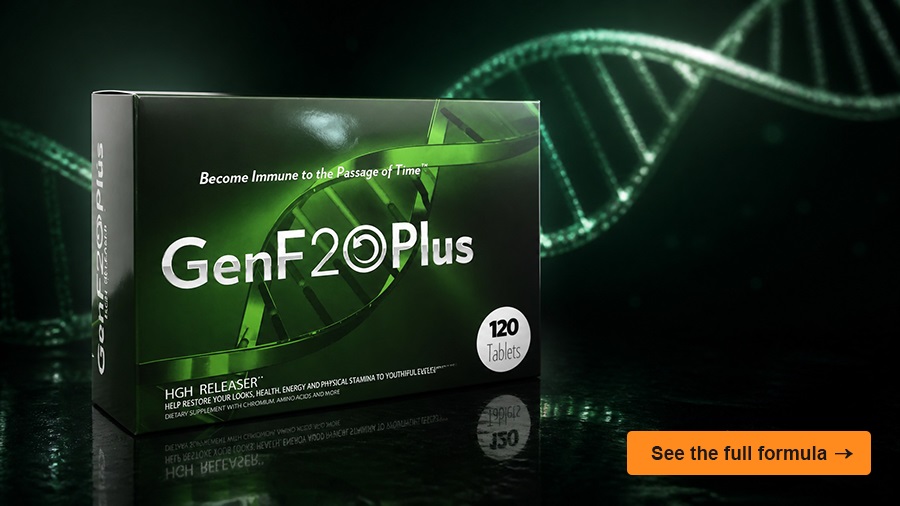
How HGH Releasers Differ From Prescription HGH
This article covers research on pharmaceutical HGH in medical settings. Prescription HGH is an injectable medicine that doctors prescribe for specific medical conditions. HGH releasers are a separate category: over-the-counter dietary supplements formulated with ingredients, such as amino acids and other nutrients, intended to support your pituitary gland’s own release of HGH. The two are different products and are studied separately. Like other dietary supplements, HGH releasers are not intended to diagnose, treat, cure, or prevent any medical condition.
Where HGH Releasers Fit Into a Healthy Routine
Men who take a releaser typically do so as one part of a routine that includes training, nutrition, and rest. If you are curious about trying one, it is sensible to check with your doctor first, particularly if you take medication or have an existing health condition.
Frequently Asked Questions About HGH and Sleep
Are HGH Releasers the Same as Prescription HGH?
No. Prescription HGH is an injectable medicine used for specific medical conditions. HGH releasers are over-the-counter dietary supplements formulated to support the body’s own natural growth hormone release.
Does Deep Sleep Change When HGH Is Given?
In a study of young adults with diagnosed growth hormone deficiency, six months of replacement did not significantly change deep sleep, although REM sleep increased.
Should I Talk to My Doctor Before Trying an HGH Releaser?
Checking with your doctor is a smart step, especially if you take medication or have a health condition. Your doctor can help you decide whether a supplement fits your situation.