
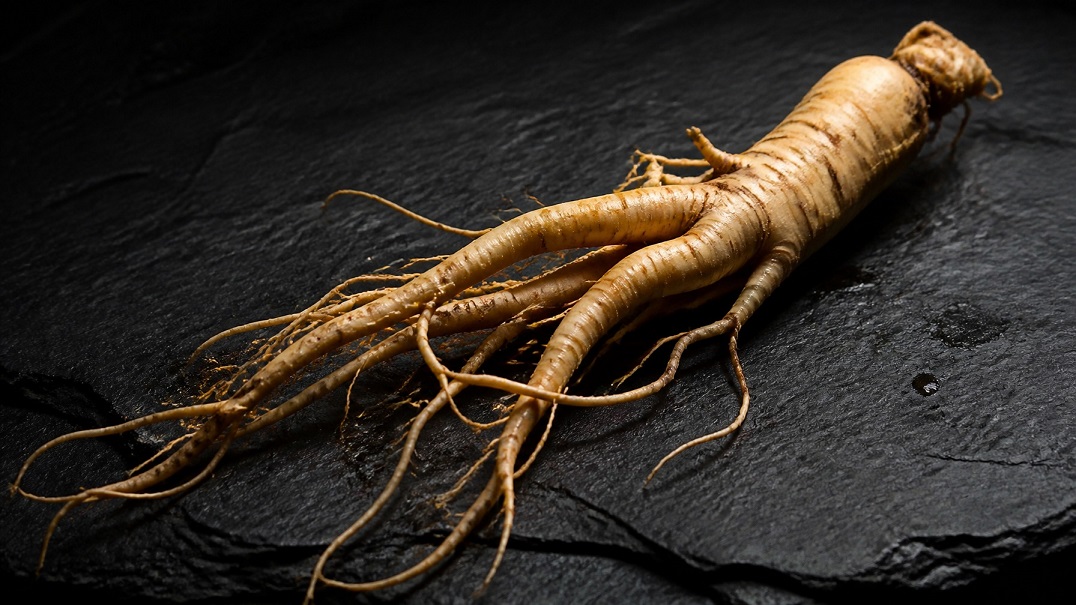
Ginseng shows a genuinely mixed but partly encouraging picture for energy and stamina. Research indicates it can reduce physical fatigue and perceived exertion during exercise, but a systematic review of clinical trials found no meaningful improvement in aerobic capacity itself. This distinction matters: ginseng may help you feel less exhausted during effort without necessarily increasing your actual physical performance capacity in a measurable way.
Here’s how to make sense of this apparent contradiction and what the research actually shows.
What a Systematic Review of Exercise Studies Found
A systematic review examining clinical trials on red ginseng and exercise performance analyzed 14 studies out of 135 initially identified. The review found that aerobic capacity measures, including VO2max, heart rate, time to exhaustion, and anaerobic threshold, showed no meaningful improvement with red ginseng supplementation. This is an important, honest finding: if you’re looking for ginseng to directly boost your measurable athletic performance capacity, the pooled research doesn’t support that specific claim.
Where the More Encouraging Findings Come In
Despite the lack of improvement in aerobic capacity itself, separate research has found more promising results specifically around fatigue and perceived exertion. One randomized trial involving 110 participants found that after eight weeks of Korean red ginseng supplementation, subjective physical strength exertion ratings were significantly lower compared to placebo during an exercise-induced fatigue test, meaning participants felt they were working less hard for the same physical output. This same study found significantly lower blood lactic acid and creatine phosphokinase levels after exercise in the ginseng group, both of which are biological markers associated with muscle fatigue and exercise-induced stress.
Why This Distinction Actually Makes Sense
Feeling less fatigued during a given amount of physical effort is a meaningfully different outcome than actually increasing your maximum aerobic capacity or overall athletic ceiling. Ginseng’s proposed mechanisms, including effects on lactate accumulation, muscle glycogen reserves, and neurotransmitter activity related to perceived exertion, point toward it functioning more as a fatigue-reducing, recovery-supporting compound rather than a direct performance enhancer that raises your physiological limits. This is still a genuinely useful effect. Feeling less depleted and recovering faster from physical exertion has real, practical value even if your absolute maximum capacity doesn’t change.

What Broader Research on Fatigue Shows
Beyond exercise-specific contexts, other clinical trials have examined ginseng’s effect on general, everyday fatigue rather than exercise-induced fatigue specifically. Research on Korean red ginseng in patients experiencing general fatigue symptoms has found meaningful improvements in fatigue scores over several weeks of supplementation, reinforcing the idea that ginseng’s most consistent, evidence-supported benefit in this space relates to fatigue reduction broadly, rather than direct performance enhancement.
What This Means for How You Use Ginseng
If your goal is directly increasing your athletic performance ceiling, your endurance capacity, or your maximum output, the current research doesn’t provide strong support for ginseng accomplishing that specific goal. If your goal is feeling less run-down, recovering better from physical or general exertion, and experiencing lower perceived effort during activity, the research offers more genuine, if still measured, support for ginseng playing a helpful role.
A Realistic Way to Think About Ginseng and Energy
Rather than expecting ginseng to function like a stimulant or a direct performance enhancer, it may be more accurate to think of it as a fatigue-mitigating, recovery-supporting supplement. This framing matches both what the research consistently shows and what traditional use of ginseng has historically emphasized, general vitality and resilience rather than acute performance boosts.
Frequently Asked Questions
Does ginseng improve athletic performance measures like VO2max?
No, a systematic review of clinical trials found no significant improvement in aerobic capacity measures, including VO2max, with red ginseng supplementation.
Can ginseng make exercise feel easier even if it doesn’t boost performance?
Yes, research has found that ginseng can reduce perceived exertion and biological markers of fatigue during exercise, even without a corresponding increase in maximum aerobic capacity.
How long does it take for ginseng to reduce fatigue?
Studies showing fatigue-related benefits generally used around eight weeks of consistent daily supplementation before measuring results.
Is ginseng more useful for general fatigue or for athletic performance specifically?
Based on current research, ginseng shows more consistent support for reducing general fatigue and perceived exertion than for directly improving measurable athletic performance capacity.