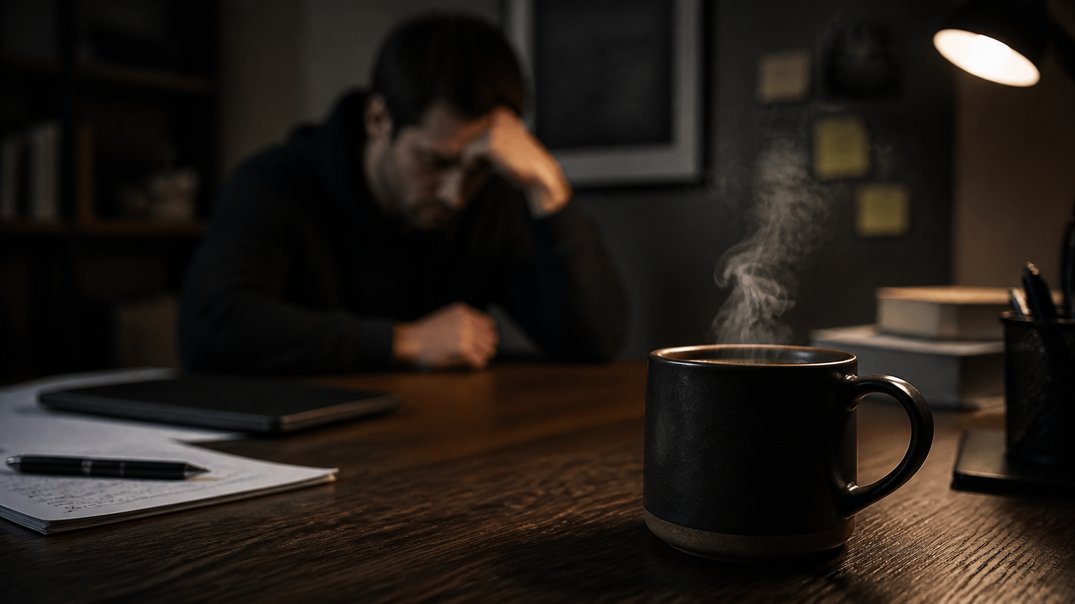
Yes, low testosterone can cause real, persistent fatigue, and it’s one of the most commonly reported symptoms among men with clinically low levels. This isn’t the kind of tiredness that goes away after a good night’s sleep. It tends to be a deeper, more constant sense of low energy that shows up even when rest and sleep habits seem otherwise fine.
Here’s why testosterone and energy levels are so closely connected, and how to tell whether your fatigue might actually be hormone-related.
What Doctors Actually See in Practice
According to Mayo Clinic urologist Dr. Gregory Broderick, fatigue, changes in mental sharpness, reduced stamina, and often mild depression are commonly associated with falling testosterone levels in men. This lines up with what shows up consistently across clinical research: fatigue isn’t a minor side note in low testosterone, it’s frequently one of the primary complaints that brings men in for evaluation in the first place.
Why Testosterone Is So Closely Tied to Energy Levels
Testosterone influences energy production in the body through several interconnected pathways. It plays a role in red blood cell production, and red blood cells are responsible for carrying oxygen throughout your body to muscles and organs. When testosterone drops, red blood cell production can decline as well, leading to reduced oxygen delivery and a fundamental energy shortfall that simply resting doesn’t fully resolve.
Testosterone also supports muscle mass and strength. As levels fall and muscle mass declines, everyday physical tasks require more relative effort, which can compound the sense of being constantly worn out. On top of this, testosterone affects sleep architecture, including the deeper sleep stages responsible for physical restoration, so even a full night in bed may not deliver the same restorative benefit it once did.
How Testosterone-Related Fatigue Tends to Feel Different
Ordinary tiredness usually responds to catching up on sleep or taking a lighter day. Fatigue linked to low testosterone often behaves differently. Many men describe a specific pattern: real difficulty getting out of bed in the morning despite a full night’s sleep, energy crashes in the afternoon that go beyond a normal post-lunch dip, and a noticeable drop in motivation to do physical activities they used to enjoy without hesitation. This last part is worth paying attention to, since it’s a physiological pattern rather than simple laziness or lack of discipline.

Fatigue Rarely Shows Up Alone
Low testosterone-related fatigue typically doesn’t appear as an isolated symptom. It tends to travel alongside other changes, including reduced libido, difficulty concentrating, loss of muscle mass, and shifts in mood like irritability or mild depression. If you’re dealing with persistent tiredness by itself with no other changes, it’s worth considering other common causes first, such as sleep apnea, anemia, thyroid issues, or simply insufficient sleep duration, since these are all more common than low testosterone and worth ruling out.
Getting an Actual Answer
The only reliable way to know whether your fatigue is testosterone-related is a blood test, ideally done in the morning when testosterone levels are at their daily peak. As Dr. Broderick notes, a proper diagnosis depends on both your reported symptoms and your actual serum testosterone level, not just the presence of fatigue on its own, since fatigue has so many possible causes.
If low testosterone turns out to be the driver, addressing it, whether through lifestyle changes, treating an underlying cause, or in some cases medical therapy, tends to bring a noticeable improvement in energy relatively quickly for many men. That’s part of why it’s worth actually checking rather than just pushing through chronic exhaustion indefinitely.
Frequently Asked Questions
How is testosterone-related fatigue different from normal tiredness?
Testosterone-related fatigue often persists despite adequate sleep, with pronounced morning exhaustion, afternoon energy crashes, and reduced motivation for physical activity, rather than resolving with normal rest.
What other symptoms usually accompany low testosterone fatigue?
It commonly appears alongside reduced libido, difficulty concentrating, loss of muscle mass, and mood changes like irritability or mild depression, rather than showing up as an isolated symptom.
Can low testosterone fatigue be fixed by sleeping more?
Not usually on its own. While good sleep supports healthy testosterone, fatigue caused by an actual hormone deficiency typically requires addressing the underlying low testosterone itself to see real improvement.
How do doctors determine if fatigue is caused by low testosterone?
Doctors typically combine a review of your symptoms with a morning blood test measuring serum testosterone, since fatigue alone isn’t enough to confirm a hormonal cause.