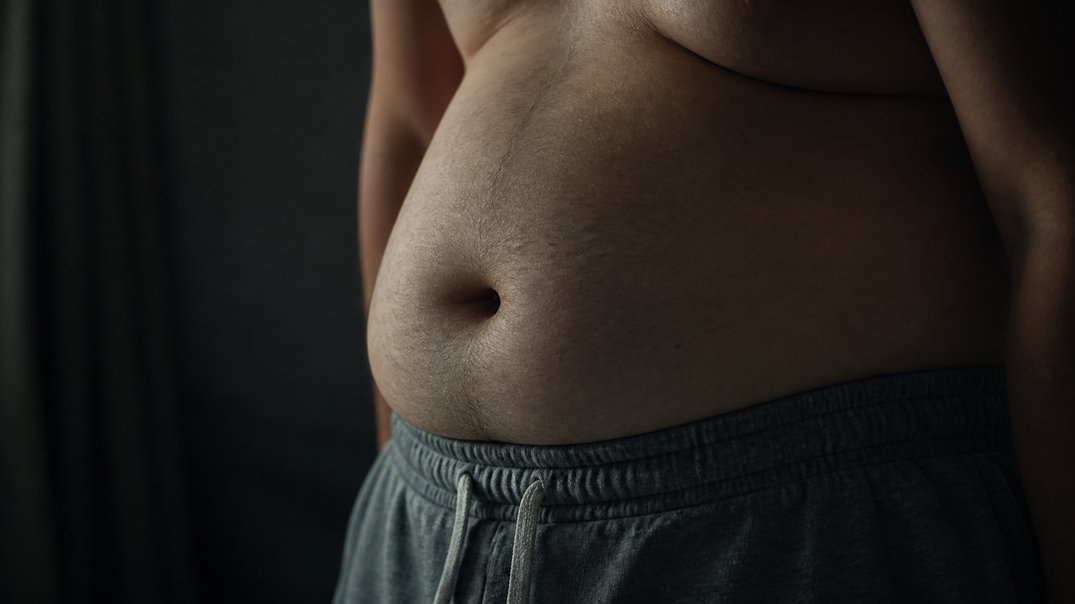
Body fat and growth hormone are closely linked: in adults with obesity, HGH secretion is lower, and it falls further as body fat and waist size rise. Encouragingly, one study found that 24-hour HGH release and IGF-1 recovered after major diet-induced weight loss.
What Studies Show About GH in Obesity
A Nature Reviews Endocrinology article reports that growth hormone secretion is reduced in obesity, with smaller pulse height and width but preserved pulse frequency. Around a third of people with a BMI above 30 fail a standard arginine plus GHRH stimulation test.
A Graded Relationship
In a study of 18 people with severe obesity, 24-hour spontaneous GH secretion and IGF-1 levels were inversely related to both abdominal fat and percent body fat, with correlations of about negative 0.67 and negative 0.69. In plain terms, more body fat went with lower GH output. Body composition in that study was measured with DXA scans.
Where Fat Sits Matters
A Nature Reviews Endocrinology article reports that peak stimulated GH falls by about 1 microgram per liter for each 1 centimeter increase in waist circumference. A study of obese adults notes that GH response is negatively associated with waist circumference, trunk fat, and visceral fat, and that waist size adds predictive information independent of BMI.
Why Excess Fat May Turn Down GH
An endocrine review explains that obesity brings high insulin, low adiponectin, high leptin, low ghrelin, and higher free fatty acids, all of which suppress GH release. It suggests the drop may be an adaptive response that helps prevent insulin resistance, though reduced GH may in turn lessen fat breakdown.
Weight Loss and the Recovery of GH
The same study reported that massive diet-induced weight loss restored 24-hour GH release and IGF-1 in formerly obese subjects. Average loss in the reduced-weight group was about 30 kilograms, roughly 67 pounds.
Diet, Overeating, and GH
An exercise physiology review notes that individuals with obesity and low cardiorespiratory fitness tend to show impaired GH secretion and action, partly because their ability to take up and burn free fatty acids is reduced. It also reports that after two weeks of overeating, GH levels fell while body weight remained unchanged, which suggests GH responds to energy balance early rather than only after fat accumulates.
What This Means for You
Body weight is one of the few factors linked to HGH that you can change over time. In the severe-obesity study, recovery followed an average loss of about 30 kilograms, so it does not show what a smaller change would do. A review in Sports Medicine reports that HGH is elevated for about 15 to 30 minutes after a resistance workout when the stimulus is adequate.
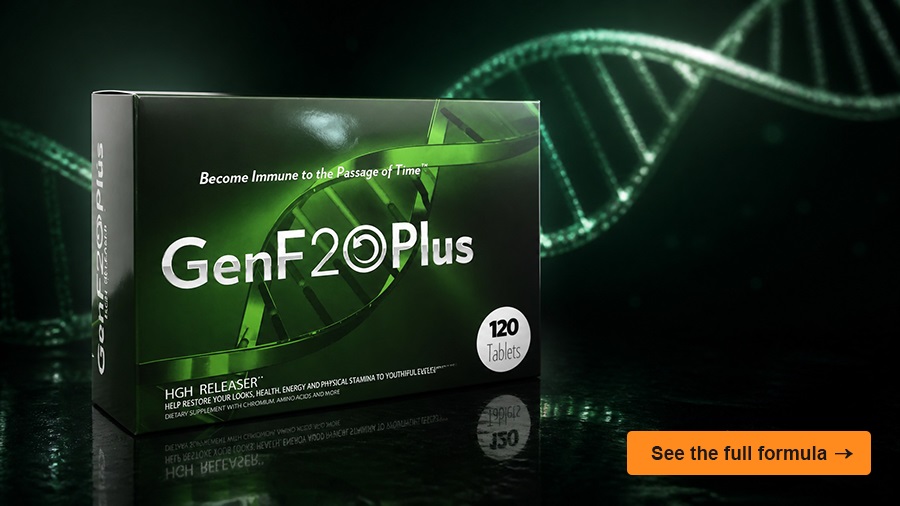
How HGH Releasers Differ From Prescription HGH
This article describes the body’s own hormone and clinical research. Prescription HGH is an injectable medicine that doctors prescribe for specific medical conditions. HGH releasers are a separate category: over-the-counter dietary supplements formulated with ingredients, such as amino acids and other nutrients, intended to support your pituitary gland’s own release of HGH. The two are different products and are studied separately. Like other dietary supplements, HGH releasers are not intended to diagnose, treat, cure, or prevent any medical condition.
Where HGH Releasers Fit Into a Healthy Routine
Men who take a releaser typically do so as one part of a routine that includes training, nutrition, and rest. If you are concerned about your weight or body composition, talking with your doctor comes first.
Frequently Asked Questions About Body Fat and HGH
Are HGH Releasers the Same as Prescription HGH?
No. Prescription HGH is an injectable medicine used for specific medical conditions. HGH releasers are over-the-counter dietary supplements formulated to support the body’s own natural growth hormone release.
Can Losing Body Fat Raise HGH?
In a study of people with severe obesity, major diet-induced weight loss restored 24-hour GH release and IGF-1. That was a large weight loss, so it does not show what a smaller change would do.
Should I Talk to My Doctor Before Trying an HGH Releaser?
Checking with your doctor is a smart step, especially if you take medication or have a health condition. Your doctor can help you decide whether a supplement fits your situation.