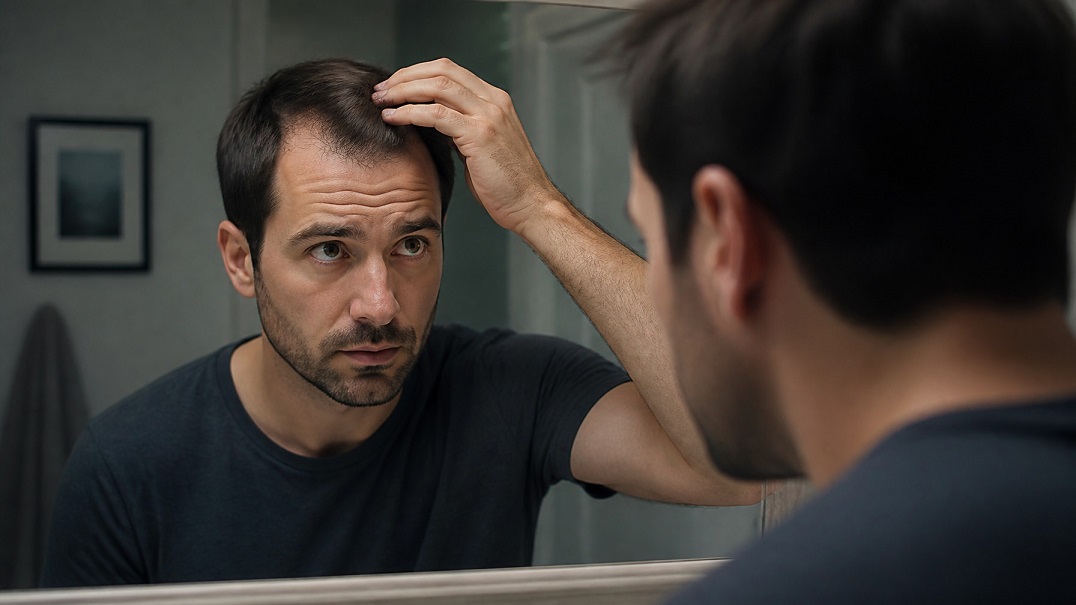
Hair follicles respond to IGF-1, the partner hormone, and people with severe growth hormone deficiency or resistance can have sparse hair. Male pattern hair loss involves many factors, though, and direct trials of HGH for it are lacking, so there is little evidence that HGH regrows hair.
How Hair Follicles Respond to Growth Signals
A dermatology review on PubMed explains that IGF-1 affects follicular proliferation, tissue remodeling, and the hair growth cycle, and that IGF-1 signaling is an important regulator of hair follicle biology. Because HGH works largely through IGF-1, the two hormones are natural subjects of hair research.
What Happens in Growth Hormone Deficiency
The same review notes that people with primary growth hormone deficiency resulting from defective hormone binding, a condition called Laron syndrome, show sparse hair growth. Cleveland Clinic likewise lists impaired hair growth among the signs of deficiency in children, and MedlinePlus lists thin hair in children with deficiency or insensitivity. These are medical conditions, and they show the importance of the growth hormone system to hair when it is severely disrupted.
IGF-1 and Male Pattern Hair Loss
A laboratory study on PubMed compared dermal papilla cells, the cells that control the hair follicle, from balding and non-balding scalp follicles. The balding follicles secreted significantly less IGF-1, and the authors concluded that lower IGF-1 may be one of the mechanisms contributing to male pattern baldness. They noted that IGF-1 is regulated by androgens. It is an interesting lead, and it involved cells in a laboratory, not HGH treatment in men.
What This Does and Does Not Mean
Finding lower IGF-1 in balding follicles does not show that HGH would restore hair. Hair loss has many contributors, and published trials testing pharmaceutical HGH as a treatment for thinning hair in healthy men are lacking. The fair summary is that the growth hormone system matters to hair biology, and that its practical role in everyday hair thinning is still being explored.
What This Means for You
Cell studies and case reports show mechanisms and individual cases, not whether a treatment works, so the IGF-1 hair research is useful for understanding biology but not a basis for treatment. A dermatologist can advise on thinning hair.
How HGH Releasers Differ From Prescription HGH
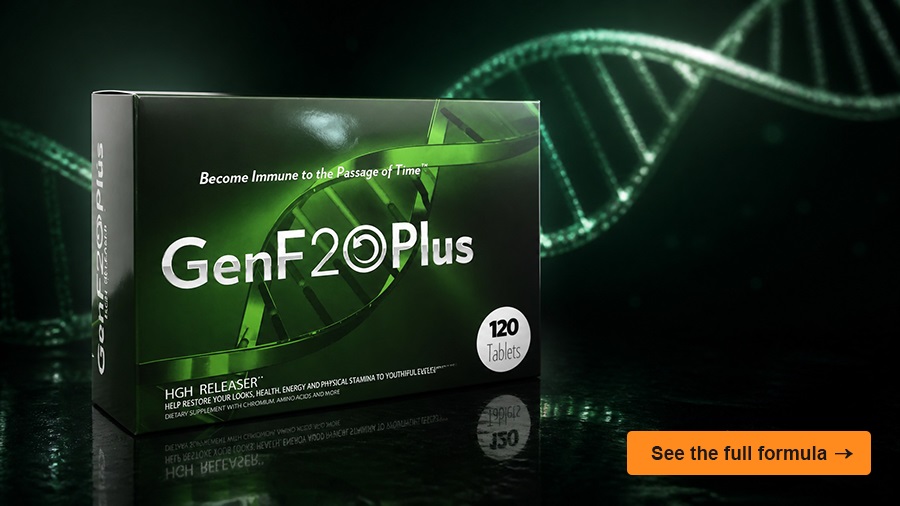
This article covers research on the growth hormone system and hair. Prescription HGH is an injectable medicine that doctors prescribe for specific medical conditions. HGH releasers are a separate category: over-the-counter dietary supplements formulated with ingredients, such as amino acids and other nutrients, intended to support your pituitary gland’s own release of HGH. The two are different products and are studied separately. Like other dietary supplements, HGH releasers are not intended to diagnose, treat, cure, or prevent any medical condition.
Where HGH Releasers Fit Into a Healthy Routine
Men who take a releaser typically do so as one part of a routine that includes training, nutrition, and rest. If you are curious about trying one, it is sensible to check with your doctor first, particularly if you take medication or have an existing health condition.
Frequently Asked Questions About HGH and Hair
Are HGH Releasers the Same as Prescription HGH?
No. Prescription HGH is an injectable medicine used for specific medical conditions. HGH releasers are over-the-counter dietary supplements formulated to support the body’s own natural growth hormone release.
Does Low IGF-1 Cause Hair Loss?
Research suggests low IGF-1 signaling may be one factor in male pattern hair loss, but hair loss has many causes and low IGF-1 has not been established as the cause.
Should I Talk to My Doctor Before Trying an HGH Releaser?
Checking with your doctor is a smart step, especially if you take medication or have a health condition. Your doctor can help you decide whether a supplement fits your situation.