
Chronic stress is linked to lower growth hormone activity, largely because long-lasting stress hormones such as cortisol dampen the signals that drive HGH release. Short bursts of physical stress, like a hard workout, can raise HGH for a while, but prolonged psychological stress tends to blunt it.
Acute Stress Versus Chronic Stress
A review in the Indian Journal of Endocrinology and Metabolism notes that growth hormone can rise two- to tenfold during acute physical stress. Responses to psychological stress are rarely seen, and prolonged psychosocial stress has been linked to a growth hormone secretory defect. Cleveland Clinic lists exercise, sleep, and stress among natural triggers for HGH release.
How the Stress System Signals the Growth System
With prolonged stress, the stress axis raises circulating glucocorticoids such as cortisol. A review in Hormone Research in Paediatrics describes these hormones as suppressing growth hormone release and blunting its effects on tissues. It adds that the boost from acute stress is not sustained when the stress system stays activated, and that stress-related CRH stimulates somatostatin, a brake on HGH. The review centers on children and adolescents, so details may not map exactly onto adult men.
Why Recovery Matters
The Indian Journal review also reports that growth hormone insufficiency reversed within about three weeks of removal from a hostile environment, a finding described in the context of a stress-related growth disorder. That is not a trial in adult men, but it suggests the stress effect can be a state rather than a fixed trait. HGH release also peaks mostly at night, which is one more reason rest matters.
Habits That Fit Your Natural HGH Rhythm
Cleveland Clinic notes that sleep, exercise, and amino acids stimulate HGH release, while high blood sugar inhibits it. Routines that protect sleep, include regular movement, and keep stress manageable fit naturally with that rhythm. This is general context rather than proof that any one habit raises HGH in a particular man.
Why a Single Blood Test Says Little
MedlinePlus explains that HGH levels change through the day and that a standard blood test is not helpful for judging HGH status. Specialized stimulation and suppression tests are used instead, so one reading on a stressful day is a poor guide to your long-term picture.
How HGH Releasers Differ From Prescription HGH
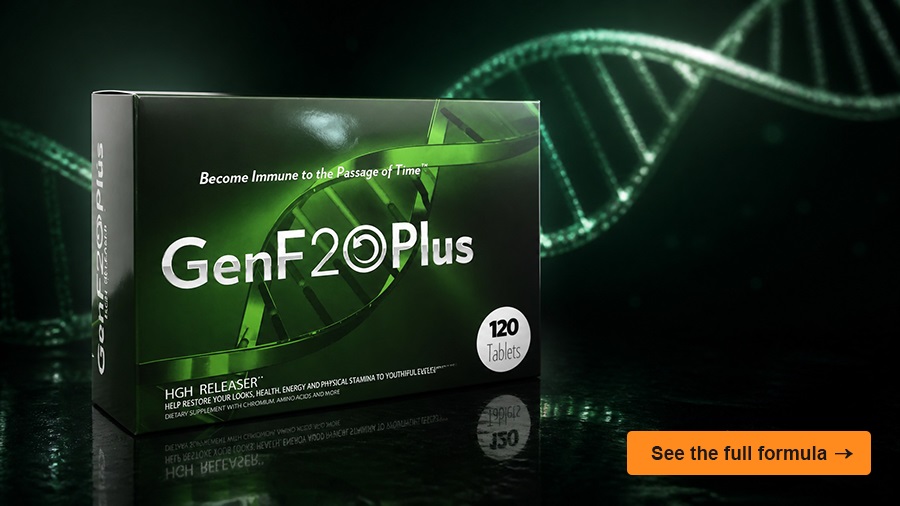
The research described here concerns the body’s own hormone system and clinical conditions. Prescription HGH is an injectable medicine that doctors prescribe for specific medical conditions. HGH releasers are a separate category: over-the-counter dietary supplements formulated with ingredients, such as amino acids and other nutrients, intended to support your pituitary gland’s own release of HGH. The two are different products and are studied separately. Like other dietary supplements, HGH releasers are not intended to diagnose, treat, cure, or prevent any medical condition.
Where HGH Releasers Fit Into a Healthy Routine
Men who take a releaser typically do so as one part of a routine that includes training, nutrition, and rest. If you are curious about trying one, it is sensible to check with your doctor first, particularly if you take medication or have an existing health condition. If stress feels overwhelming or persistent, a doctor or mental health professional is a good first call.
Frequently Asked Questions About Stress and HGH
Are HGH Releasers the Same as Prescription HGH?
No. Prescription HGH is an injectable medicine used for specific medical conditions. HGH releasers are over-the-counter dietary supplements formulated to support the body’s own natural growth hormone release.
Does Exercise Count as Stress for HGH?
In a sense, yes. A workout is a short physical stress that can trigger HGH release, which is different from the long-term psychological stress that tends to dampen it.
Should I Talk to My Doctor Before Trying an HGH Releaser?
Checking with your doctor is a smart step, especially if you take medication or have a health condition. Your doctor can help you decide whether a supplement fits your situation.