
The effect appears small and inconsistent. In two short studies of healthy men, pharmaceutical HGH did not significantly change testosterone, though one trial found estradiol rose. In men with pituitary disease, results ranged from no change to a higher response after stimulation to a lower reading.
Why the Two Hormone Systems Interact
Growth hormone and IGF-1 receptors are present on the pituitary cells that signal the testes and on testicular cells, according to a crossover trial in Andrology. A review of growth hormone and sexuality adds that growth hormone appears to be an important regulator of the hypothalamus-pituitary-gonadal axis, the chain of signals behind testosterone production.
Healthy Men Given Pharmaceutical HGH
In that randomized crossover trial, eight healthy men received rising HGH doses for three weeks, so each man served as his own comparison. Estradiol rose by about 42 percent and the estradiol-to-testosterone ratio increased, while testosterone did not change significantly. A separate study of healthy men given low-dose HGH for two weeks likewise found testosterone and dihydrotestosterone unaffected.
Men With Pituitary Disease
A review of hypopituitarism summarizes mixed findings. A double-blind crossover trial in young men with childhood-onset deficiency concluded that HGH did not influence the gonadal axis. Another study found that HGH increased the testosterone response to a stimulating hormone. In adult men with organic deficiency, testosterone fell alongside SHBG, a protein that carries it in the blood. The review notes that mixed patient groups and high doses make physiological and pharmacological effects hard to separate.
HGH and Testosterone Together
In a trial of 96 recreational athletes, HGH increased body cell mass in men when given with testosterone, and the sprint effect nearly doubled compared with HGH alone. That shows the two hormones can produce larger effects together, not that either raises the other.
What This Means for You
Testosterone can be reported as total, free, or after a stimulation test, and estradiol also matters, so the hormone balance can shift even when testosterone stays flat.
How HGH Releasers Differ From Prescription HGH
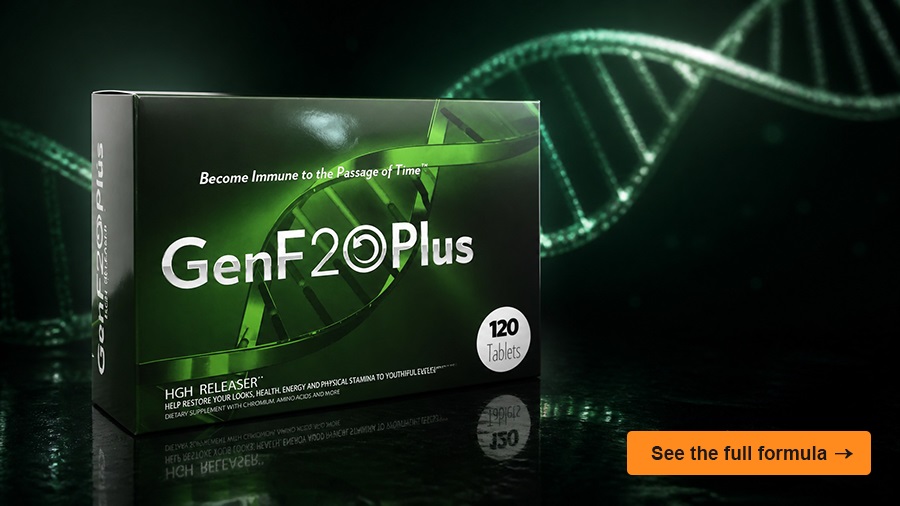
Every study described here involved pharmaceutical HGH given to healthy men or men with diagnosed conditions. Prescription HGH is an injectable medicine that doctors prescribe for specific medical conditions. HGH releasers are a separate category: over-the-counter dietary supplements formulated with ingredients, such as amino acids and other nutrients, intended to support your pituitary gland’s own release of HGH. The two are different products and are studied separately. Like other dietary supplements, HGH releasers are not intended to diagnose, treat, cure, or prevent any medical condition.
Where HGH Releasers Fit Into a Healthy Routine
Men who take a releaser typically do so as one part of a routine that includes training, nutrition, and rest. If you are curious about trying one, it is sensible to check with your doctor first, particularly if you take medication or have an existing health condition.
Frequently Asked Questions About HGH and Testosterone
Are HGH Releasers the Same as Prescription HGH?
No. Prescription HGH is an injectable medicine used for specific medical conditions. HGH releasers are over-the-counter dietary supplements formulated to support the body’s own natural growth hormone release.
Does HGH Raise Testosterone in Healthy Men?
Not clearly. In two short studies of healthy men given pharmaceutical HGH, testosterone did not change significantly, though estradiol rose in one of them.
Should I Talk to My Doctor Before Trying an HGH Releaser?
Checking with your doctor is a smart step, especially if you take medication or have a health condition. Your doctor can help you decide whether a supplement fits your situation.