Poor sleep changes how HGH is released, though the picture is more nuanced than sleep loss simply lowering it. In healthy men, the big sleep-related HGH pulse is blunted or shifted when sleep is cut short, and one study found that the body partly makes up for it during the day. Sleep and HGH are closely linked, and steady, sufficient sleep supports the natural pattern.
The Sleep-Related HGH Pulse
A study in the American Journal of Physiology notes that in normal men the majority of HGH secretion occurs in a single large pulse after sleep onset. Because so much of the day’s HGH output is concentrated in that one pulse, anything that changes sleep has the potential to change the HGH pattern.
What Happens After a Night Without Sleep
Total sleep deprivation has a clear effect on the nighttime pulse. A review on the National Library of Medicine site describes a study of 36 hours of sleep deprivation in which peak nocturnal HGH values fell from about 28 micrograms per liter in the control session to about 5.5 micrograms per liter. In the control session, the peak nighttime bursts occurred between 11 p.m. and 2:30 a.m.
How the Body Compensates
The story does not end there. A study in The Lancet reported that after sleep deprivation, the blunting of the normal sleep-related pulse is compensated for during the day, so the amount of HGH secreted over 24 hours is similar whether or not a person has slept. That finding is a reminder that the body has backup plans, although it involves a different timing than the natural sleep pattern.
What Partial Sleep Loss Does
Most people experience partial sleep loss rather than total deprivation. In the American Journal of Physiology study, eleven young men were tested after six nights with bedtimes restricted to 1 a.m. to 5 a.m. During that state of sleep debt, the HGH pattern became biphasic, with a pulse before sleep onset in addition to the pulse after it. The pattern adapted rather than disappearing.
Why This Research Is Worth Knowing
The sleep studies show that the HGH system is flexible. It shifts its timing when sleep is short, adds a pulse when it needs one, and can partly make up for a missed night. At the same time, the natural sleep-onset pulse remains the central feature, which is a good reason to think of regular sleep as part of the setting in which your body does its hormone work.
How HGH Releasers Differ From Prescription HGH
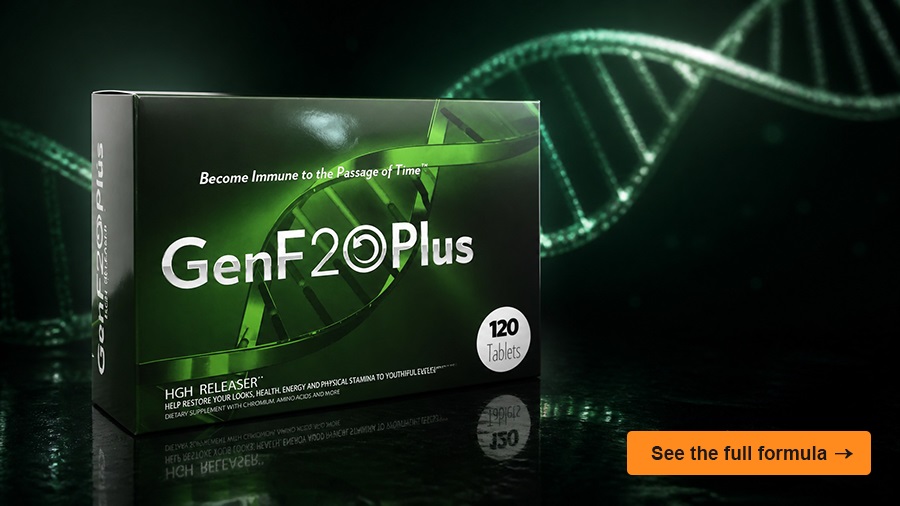
This article describes the body’s own natural HGH response to sleep. Prescription HGH is an injectable medicine that doctors prescribe for specific medical conditions. HGH releasers are a separate category: over-the-counter dietary supplements formulated with ingredients, such as amino acids and other nutrients, intended to support your pituitary gland’s own release of HGH. The two are different products and are studied separately. Like other dietary supplements, HGH releasers are not intended to diagnose, treat, cure, or prevent any medical condition.
Where HGH Releasers Fit Into a Healthy Routine
Men who take a releaser typically do so as one part of a routine that includes training, nutrition, and rest. If you are curious about trying one, it is sensible to check with your doctor first, particularly if you take medication or have an existing health condition.
Frequently Asked Questions About Poor Sleep and HGH
Are HGH Releasers the Same as Prescription HGH?
No. Prescription HGH is an injectable medicine used for specific medical conditions. HGH releasers are over-the-counter dietary supplements formulated to support the body’s own natural growth hormone release.
Does a Single Bad Night Change HGH Release?
It can. After a night without sleep, the nighttime HGH peak was much lower in one study, although another study found that daytime release made up for it over 24 hours.
Should I Talk to My Doctor Before Trying an HGH Releaser?
Checking with your doctor is a smart step, especially if you take medication or have a health condition. Your doctor can help you decide whether a supplement fits your situation.